
The New Jersey Workers’ Compensation Lawyer team at Reinartz Law Firm helps injured workers and their families get through one of the most stressful events in their lives: a serious job-related injury that threatens health, income, and long‑term stability.
From offices in Hackensack, Reinartz Law Firm represents workers across New Jersey who have suffered an injury on construction sites, in warehouses and factories, in hospitals, offices, and on transportation jobs, guiding them through claims, hearings, and settlements to seek the full benefits the law provides.
Key Takeaways: New Jersey Workers’ Comp
- New Jersey workers’ compensation is a no‑fault system that typically covers medical treatment, income replacement, and disability benefits when an employee suffers an injury in the course of employment, regardless of who caused the accident.
- Deadlines are strict: in most cases, a formal claim petition must be filed within two years of the accident, the last payment of benefits, or the last authorized medical treatment, whichever is later.
- Benefits can include temporary total disability, permanent partial disability, and permanent total disability, depending on the severity and lasting impact of the injury or occupational disease.
- Disputes with employers and insurance carriers are common, including disagreements over whether an injury is work‑related, what treatment is “necessary,” and the extent of permanent disability issues that experienced counsel can help resolve through hearings or negotiated settlements.
- Reinartz Law Firm, based at Court Plaza South – West Wing, 21 Main Street, Suite 205, Hackensack, is steps from the Bergen County Justice Center and a short distance from Hackensack University Medical Center, making it a convenient hub for injured workers seeking in‑person legal guidance. Call (201) 289-8614.
“From denied claims to serious injuries, we know how the system works. If you were hurt doing your job, you have a right to workers’ comp benefits.”— Richard Reinartz
Why Experienced New Jersey Workers’ Compensation Counsel Matters
New Jersey’s workers’ compensation system is intended to offer a straightforward way for injured employees to receive medical care and partial earnings replacement without having to prove their employer was negligent. In practice, however, the process can be confusing and adversarial. Employers and insurance companies decide which doctors are “authorized,” what treatment they will pay for, how long temporary disability benefits last, and what degree of permanent disability they are willing to recognize.
Without legal representation, many workers find themselves:
- Sent back to work before they feel ready.
- Denied recommended tests, specialist visits, or surgery.
- With settlement offers that undervalue permanent limitations or pain.
- Confused about whether they can appeal or reopen their case.
The New Jersey workers’ compensation attorneys at Reinartz Law Firm focus on these cases and understand how medical reports, work restrictions, and functional limitations are translated into dollars under New Jersey’s schedules and statutes. By handling communications with insurers, preparing evidence, and appearing before judges of compensation, they seek to ensure that each client’s injuries, pain, and long‑term vocational impact are fully recognized.
Table of contents
- What Benefits Can Injured New Jersey Workers Receive?
- Common Work Injuries and Workplaces Served
- How the New Jersey Workers’ Compensation Process Works
- When a Third‑Party Lawsuit May Be Available
- FAQs Related to New Jersey Workers’ Compensation Lawyer Activities
- Get the Legal Help You Need from the Reinartz Law Firm
What Benefits Can Injured New Jersey Workers Receive?
When a claim is accepted or awarded, New Jersey workers’ compensation may provide several core categories of benefits. Understanding what each covers helps workers see where an attorney can add value.
Medical Treatment
Employers (through their insurers) must furnish all reasonable and necessary medical treatment related to the work injury, generally with physicians they authorize. This can include:
- Emergency care and hospitalization
- Follow‑up visits with specialists
- Surgery, injections, and other procedures
- Physical and occupational therapy
- Prescription medications and medical devices
- Prosthetics or durable medical equipment for amputations and severe orthopedic injuries
If necessary, care can be denied or prematurely terminated, and an attorney can ask a judge to order additional treatment.
Temporary Total Disability (TTD)
If a worker cannot perform their job for more than seven days due to the injury, they may qualify for temporary total disability benefits, usually paid at 70% of their average weekly income, subject to statutory minimums and maximums. TTD typically continues until the worker returns to work, reaches maximum medical improvement (MMI), or hits the maximum number of weeks allowed.
Permanent Partial Disability (PPD)
If, after treatment, an injury results in a measurable permanent loss of function, New Jersey uses a schedule and guidelines to assign disability percentages and corresponding weeks of compensation. Examples include:
- Chronic back pain and limitations
- Hearing loss from loud machinery or Vision loss
- Partial loss of use of a hand, arm, leg, or foot
- Residual symptoms after fractures or nerve injuries
An accurate assessment of permanent disability often requires both treating and independent medical evaluations, areas where legal counsel can coordinate exams and contest low insurer ratings.
Permanent Total Disability (PTD)
If injuries prevent a worker from performing any gainful employment, they may qualify for permanent total disability benefits, which usually begin with 450 weeks of payments and can be extended if the total disability continues. Severe combinations of injuries, including catastrophic spinal damage or significant loss of multiple limbs, often fall in this category.
Death Benefits and Dependency Claims
If a worker dies from a job‑related injury or illness, dependents may be entitled to weekly benefits and payment of funeral expenses, subject to statutory limits. These claims can be complex, especially where dependency or coverage is contested, and generally benefit from experienced representation.
Common Work Injuries and Workplaces Served
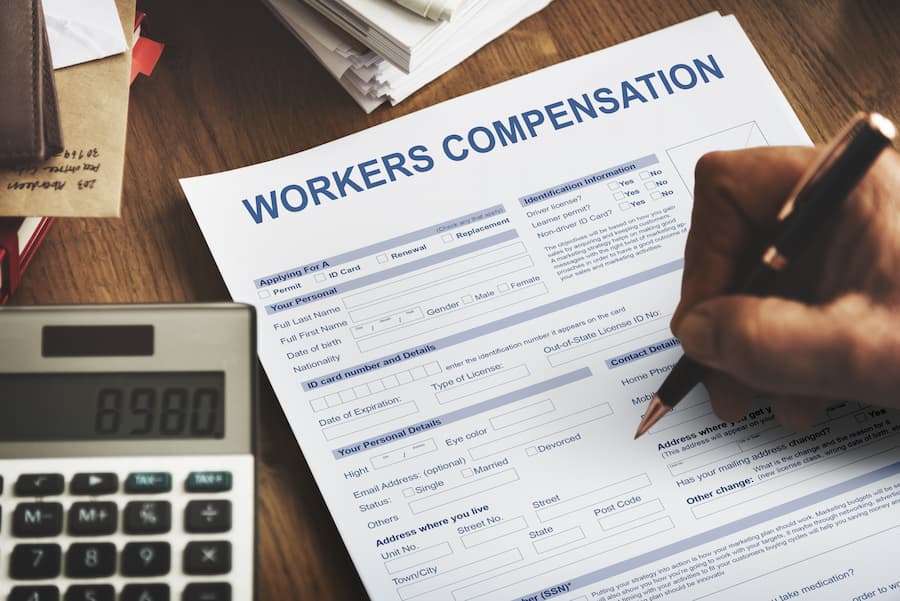
New Jersey’s diverse economy exposes workers to many types of job‑related risks. Reinartz Law Firm represents clients from a wide range of fields, including construction, transportation, warehousing, healthcare, manufacturing, hospitality, and office‑based employment.
Common injuries and conditions that lead to workers’ compensation claims include:
- Acute traumatic injuries such as fractures, ligament tears, and lacerations from falls, vehicle accidents, or machinery.
- Repetitive stress and overexertion injuries, including carpal tunnel syndrome, tendonitis, and chronic back or shoulder pain from lifting, pushing, or repetitive motions.
- Machinery defects or malfunctions and inadequate guarding can cause crush injuries, amputations, and severe lacerations.
- Occupational diseases from long‑term exposure to toxic substances, dust, fumes, or loud noise, leading to lung diseases, skin conditions, or hearing loss.
- Work‑related motor vehicle collisions while driving for deliveries, client visits, or other job duties.
In all of these scenarios, New Jersey’s no‑fault framework means that workers typically do not need to prove their employer was negligent, only that the injury or disease arose out of and in the course of employment. Disputes usually center on causation (whether the job truly caused the problem) and the extent of resulting disability, areas where focused legal advocacy makes a significant difference. Therefore, understanding the protections of workers’ comp is essential.
Many injured employees who work or live outside Bergen County also need guidance on where to pursue their claim. For example, workers in Essex County may need assistance from a Newark workers’ compensation lawyer who understands the procedures and hearings that take place through the New Jersey Division of Workers’ Compensation in that region.
Reinartz Law Firm represents injured workers across multiple counties and can guide clients through the process no matter where their workplace accident occurred.
How the New Jersey Workers’ Compensation Process Works
Although every case is unique, most New Jersey workers’ compensation claims follow a similar progression.
Reporting the Injury
Workers should promptly report a job‑related injury or suspected occupational disease to a supervisor or employer representative, ideally in writing. Employers typically then notify their insurer and arrange for authorized medical care, which may include directing the worker to a designated clinic or physician.
Initial Treatment and Income Loss
As treatment progresses, the insurer decides whether to accept the claim, pay medical bills, and issue temporary disability checks when the doctor keeps the worker out of work or on restricted duty that the employer cannot accommodate. Workers should keep copies of all work notes, medical records, and pay information.
Disputes and Hearings
If medical treatment is denied, income benefits are cut off early, or the insurer disputes whether the condition is work‑related, the worker (through counsel) can file a formal claim petition or request an informal hearing with the Division of Workers’ Compensation. Judges of compensation can:
- Decide whether additional medical care is required.
- Order payment or resumption of temporary disability benefits.
- Ultimately, determine the percentage of permanent disability and the corresponding award.
Settlement and Awards
Many cases conclude with a settlement that reflects the parties’ assessment of permanent disability and, in some situations, disputed issues such as causation. Reinartz Law Firm handles negotiations and prepares clients for the settlement hearing, where a judge reviews the agreement for fairness before issuing an order.
How Reinartz Law Firm Builds Strong Workers’ Compensation Cases
Workers’ compensation claims are document‑driven. The valuation of a case depends heavily on medical reports, diagnostic imaging, work restrictions, and credible testimony about pain and limitations. The New Jersey workers’ compensation lawyers at Reinartz Law Firm focus on assembling and presenting this evidence in a way that clearly shows the real‑world impact of an injury.
Key elements of their approach include:
- Thorough case evaluation: Reviewing accident reports, medical records, job duties, and prior health issues to anticipate insurer defenses and build a clear theory of the case.
- Coordinating medical evaluations: When needed, arranging independent medical examinations with specialists who can provide detailed impairment ratings and narrative reports consistent with New Jersey standards.
- Documenting earnings loss and vocational impact: Collecting pay stubs, tax returns, and employer records to demonstrate pre‑injury earnings and how the injury affects the worker’s ability to return to similar or alternative employment.
- Negotiating assertively with insurers: Using evidence and applicable law to push back against low settlement offers and unjustified denials of workers’ comp care or disability percentages.
- Preparing for hearings and trials: When a settlement is not fair, presenting testimony from the injured worker, medical experts, and sometimes vocational specialists before a judge of compensation.
This combination of litigation readiness and negotiation experience helps many clients resolve their cases for amounts that better reflect the seriousness of their injuries and long‑term needs.
When a Third‑Party Lawsuit May Be Available
Workers’ compensation is typically the exclusive remedy against an employer for job‑related injuries. Still, it does not prevent injured workers from pursuing separate personal injury claims against negligent third parties.
Examples might include:
- A defective machine or tool that malfunctions due to poor design or manufacture.
- A careless driver who causes a collision while the worker is on the road for job duties.
- A property owner, contractor, or subcontractor whose unsafe conditions or violations of safety rules cause a fall or other accident.
Because Reinartz Law Firm also maintains a robust personal injury practice, the firm can evaluate whether a third‑party claim exists alongside a workers’ compensation case and, when appropriate, pursue both avenues of recovery. This can significantly increase overall compensation, particularly for pain and suffering, which are not covered under workers’ comp.
FAQs Related to New Jersey Workers’ Compensation Lawyer Activities
How long do I have to file a New Jersey workers’ compensation claim?
In most situations, a formal claim petition must be filed with the New Jersey Division of Workers’ Compensation within two years of the date of injury, the last payment of compensation, or the last date of authorized medical treatment, whichever is later.
For occupational diseases or cumulative wear‑and‑tear conditions, the two‑year period typically runs from when the worker knew or should have known that the condition was related to their employment.
Missing these deadlines can permanently bar a claim, so consulting counsel as early as possible is strongly recommended.
Can I pick my own doctor for a workers’ compensation injury in New Jersey?
Generally, no. Under New Jersey law, the employer (or its insurance carrier) has the right to select the authorized treating physicians for workers’ compensation cases.
However, if an employer unreasonably refuses to provide treatment or stops necessary care, an attorney can ask a judge of compensation to order additional or different medical treatment.
In true emergencies, workers may seek immediate care at the nearest facility and then coordinate follow‑up through the employer and insurer.
What if my employer or the insurance company denies my workers’ comp claim?
If a workers' comp claim is denied, whether because the injury is not work‑related, that it occurred off duty, or that no disability exists, the worker can file a claim petition and have the matter heard by a judge of compensation. At that point, evidence such as medical records, witness testimony, and accident reports becomes critical.
Lawyers at Reinartz Law Firm routinely represent clients at these hearings, challenging denials and seeking orders for medical care, temporary disability, or permanent disability benefits.
How much does it cost to hire a New Jersey workers’ compensation lawyer?
Workers’ compensation attorneys in New Jersey are typically paid on a contingency basis, with fees subject to court approval and statutory limits. This means clients generally do not pay upfront legal fees; instead, the judge allocates an approved fee, often split between the worker and the insurer, out of any award or settlement.
During an initial consultation, Reinartz Law Firm explains how fees and costs are handled so clients understand the financial structure before proceeding.
What is Maximum Medical Improvement (MMI) and why is it important in a New Jersey workers' compensation case?
Maximum Medical Improvement, or MMI, describes the point when a treating doctor determines that an injured worker’s condition has reached its highest level of recovery and further medical treatment will not likely improve the condition.
Temporary total disability (TTD) benefits end when the worker reaches MMI, and the insurance company will then evaluate any remaining permanent disability.
What does exclusive remedy mean in New Jersey workers’ compensation?
Exclusive remedy is a fundamental legal principle of New Jersey workers’ compensation. It means that, for most job-related injuries, a worker cannot sue their employer in civil court for negligence. Instead, the workers’ compensation system provides the sole method to recover benefits for medical costs and lost wages.
This protection extends to the employer, though it does not prevent you from pursuing a separate personal injury claim against a negligent third party who caused the accident.
Can I receive benefits if I return to work on restricted duty?
Yes. If your doctor clears you to return to work but with temporary restrictions—such as reduced hours or light-duty tasks—and your employer accommodates those restrictions, you may qualify for Temporary Partial Disability benefits if you earn less than your pre-injury wage.
If your employer cannot accommodate the restrictions, you should remain eligible for Temporary Total Disability (TTD) benefits until you reach Maximum Medical Improvement or return to full duty.
Get the Legal Help You Need from the Reinartz Law Firm

Injured workers face enough challenges with medical recovery and family finances without having to master New Jersey’s complex workers’ compensation rules on their own. A New Jersey Workers’ Compensation Lawyer stands ready to help evaluate claims, coordinate medical evidence, negotiate with insurers, and, when necessary, present cases to a judge so that injured employees can pursue the full benefits and justice they deserve.
Contact the Reinartz Law Firm at (201) 289-8614 or complete the online contact form.
The Reinartz Law Firm - Hackensack Office
Court Plaza South - West Wing
21 Main St Suite 205,
Hackensack, NJ 07601
Testimonial
David Mendez
"Richard Reinartz has been my lawyer since 2014 and has helped me out with a couple of workers compensation cases, a car accident and a family members personal injury. In my personal opinion he is a great lawyer, keeps you informed of how your case is going and which direction is going, he is aggressive with his abilities to get you the best possible outcome in the end, he is compassionate to your injury or the situation your are in to help you out. I would recommend my lawyer to anybody and I have."